The Shift to Social Learning: Subscription-Based Platforms with Built-In Community Features 2026

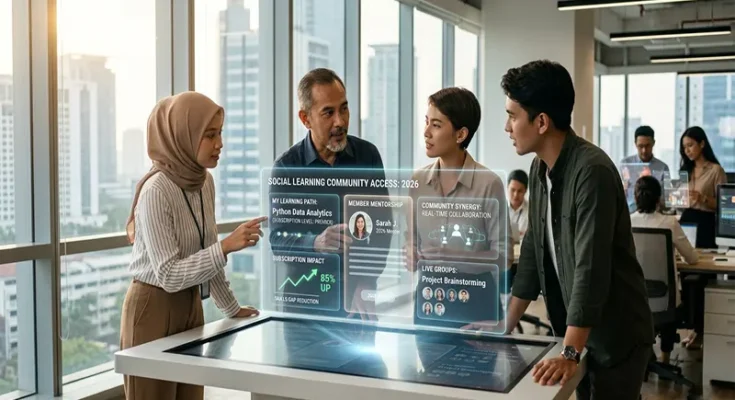
The Shift to Social Learning: Subscription-Based Platforms with Built-In Community Features 2026

The “lonely” Massive Open Online Course (MOOC) is officially a relic. In the early 2020s, the digital education market was flooded with high-ticket, “set-it-and-forget-it” video courses. By March 2026, the data is in: completion rates for passive, content-only courses have plummeted to a staggering 3%. In their place, a new titan has emerged: the Community-as-a-Product model. Today, the most successful educators are not selling information—which AI has largely commoditized—they are selling access, accountability, and a peer network. The shift to subscription-based platforms with built-in community features has transformed learning from a solitary chore into a collective “team sport.”

The Architecture of the 2026 Community Platform

Modern platforms have abandoned the “Facebook Group” appendage in favor of integrated, native ecosystems. For the 2026 learner, the community is not a sidebar; it is the campus.

  • Native Community Hubs: Platforms like Circle, Mighty Networks, and Kajabi Communities have evolved into “all-in-one”
The Shift to Social Learning: Subscription-Based Platforms with Built-In Community Features 2026 Read More
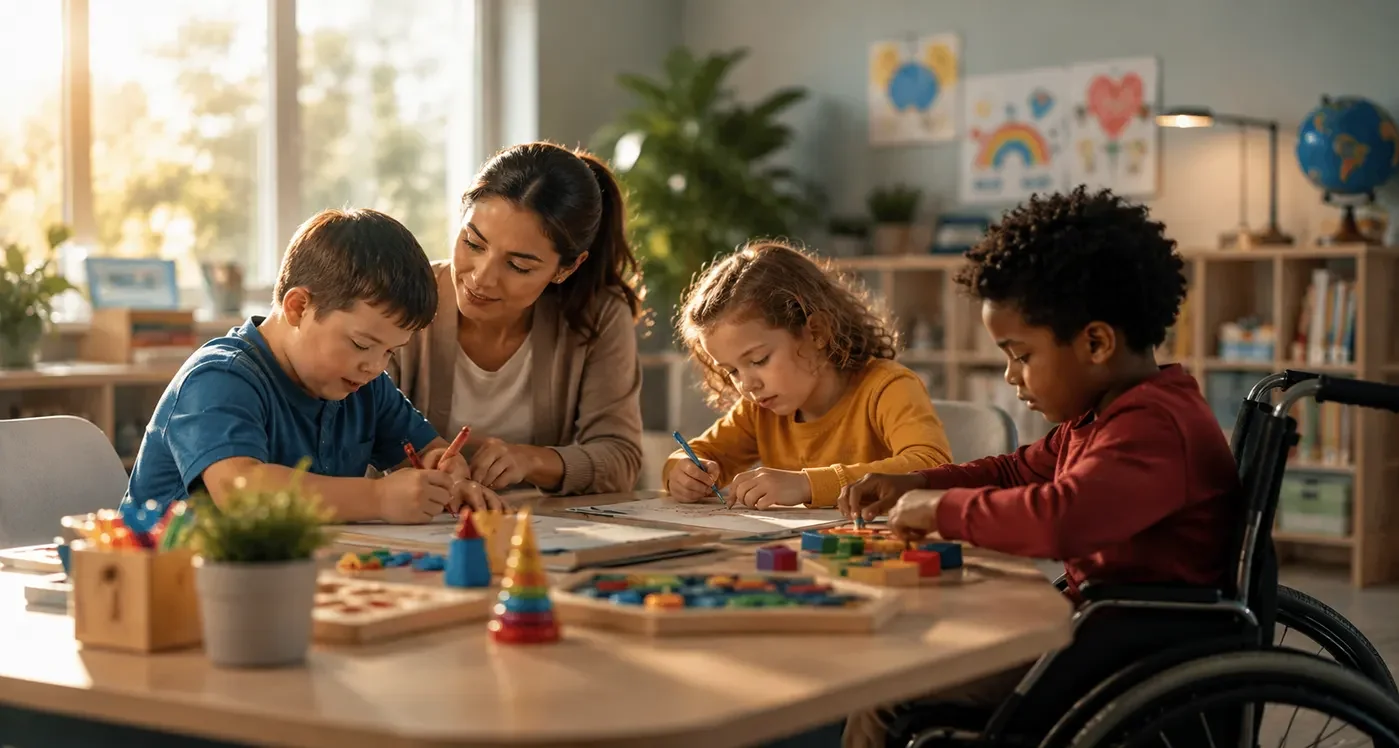
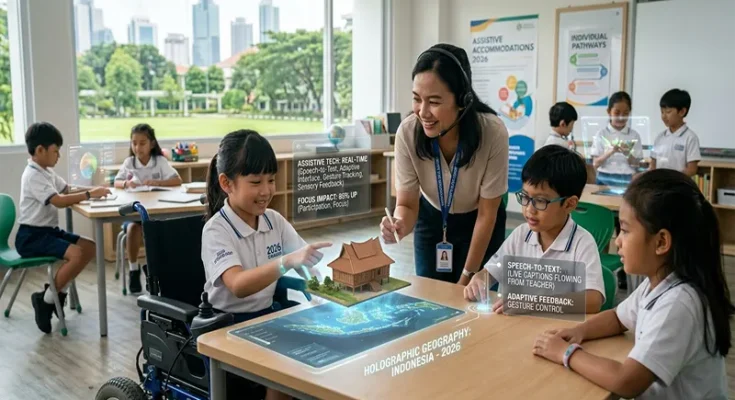
Assistive Technology Accommodations for Inclusive General Education Classrooms: The 2026 Standard

Assistive Technology Accommodations for Inclusive General Education Classrooms: The 2026 Standard

The defining educational shift of the mid-2020s has been the transformation of the General Education classroom into a truly inclusive, neuro-affirming space. As of March 2026, the artificial divide between “specialized” technology for students with disabilities and “standard” technology for everyone else has largely dissolved. We are now witnessing the maturity of Universal Design for Learning (UDL), facilitated by an integrated suite of Assistive Technology (AT). What was once viewed as an “accommodation” for a few is now recognized as a vital, flexible interface for all learners. This phenomenon, known as the “curb-cut effect” in education, acknowledges that tools designed for specific accessibility challenges ultimately improve usability for the entire classroom population.

The 2026 AT Toolkit: Access by Default

The modern AT toolkit in a general education setting is no longer defined by bulky, stigmatizing hardware. Instead, it is characterized by software integration, cloud-based personalization, and AI-powered real-time …

Assistive Technology Accommodations for Inclusive General Education Classrooms: The 2026 Standard Read More
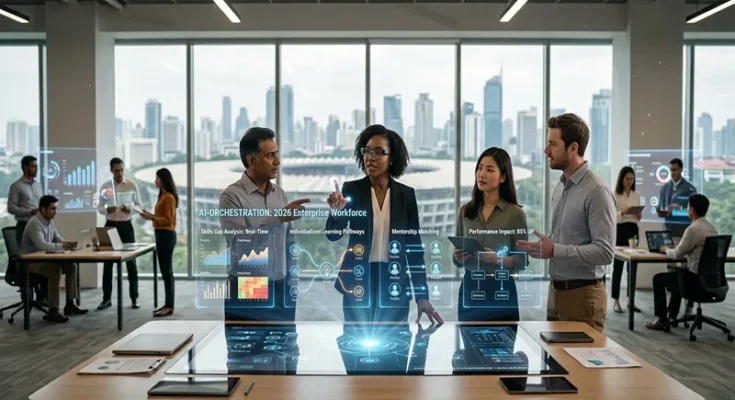
AI-Powered Learning Experience Platforms: Orchestrating the 2026 Enterprise Workforce

AI-Powered Learning Experience Platforms: Orchestrating the 2026 Enterprise Workforce

The decades-long debate between the Learning Management System (LMS) and the Learning Experience Platform (LXP) has officially concluded. As of March 2026, the winner is neither; it is the Integrated Capability Ecosystem. In an era where the “half-life” of technical skills has plummeted to less than two and a half years, enterprises have realized that a static library of video courses is no longer a viable strategy for survival.

With 92% of Global 2000 companies increasing their AI investments this year, the primary bottleneck to digital transformation is no longer the technology itself—it is Workforce Readiness. Modern AI-powered LXPs have moved beyond being simple content hubs to become sophisticated orchestration engines that align individual growth with real-time business velocity.

The Core Pillars of the 2026 AI-LXP

The 2026 iteration of the LXP is defined by three fundamental shifts in how learning is delivered, measured, and integrated into the …

AI-Powered Learning Experience Platforms: Orchestrating the 2026 Enterprise Workforce Read More
Hybrid Cyber-Physical Learning Environments for Remote Students 2026

Hybrid Cyber-Physical Learning Environments for Remote Students 2026

The era of the “Zoom Room” is officially over. As we navigate the educational landscape of March 2026, the passive, two-dimensional video call—once the lifeline of remote education—is now viewed as a primitive relic of the early 2020s. Today, the frontier of education is defined by Cyber-Physical Learning (CPL). This is not just “online school”; it is a sophisticated, bidirectional integration where digital interfaces and physical environments are seamlessly merged. For the remote student of 2026, learning is no longer something you watch; it is something you inhabit.

The Infrastructure of Presence: Beyond the Screen

The transition to CPL has been driven by a radical leap in hardware and network infrastructure. In 2026, “being there” is a quantifiable technical state achieved through three core technologies:

Digital Twins and Remote Lab-as-a-Service (RLaaS):

High-end universities now maintain 1:1 digital replicas of their physical laboratory equipment. A remote student in Indonesia can …

Hybrid Cyber-Physical Learning Environments for Remote Students 2026 Read More